


“Wild Yeast” Myth vs. Microbes

Debunking Winemaking Myths:
Separating the Science from the Marketing – Part 1
If you’ve ever read that a wine was made with “100% native wild yeast,” you were mostly reading a story, not microbiology. In real fermentations, the organisms that start the party are not the ones that finish it.

Who is actually doing the work?
Freshly crushed grapes carry a whole ecosystem: non‑Saccharomyces yeasts like Rhodotorula, Hanseniaspora, Pichia and Metschnikowia, bacteria, and molds. The classic “wine yeast” Saccharomyces cerevisiae is actually a stark minority on the fruit at crush, whether you inoculate or not.
Those early, non‑Saccharomyces species are what most marketers are pointing to when they say “wild” or “native” yeast. They are very real, they can be metabolically active, and they can shape aroma in the first days of fermentation.

The 4% wall: why “wild” can’t finish
The non‑Saccharomyces yeasts dominating on grape skins have low alcohol tolerance and start to slow down as the juice reaches about 3–4% alcohol. As ethanol rises and oxygen drops, their populations crash and they are out‑competed by more alcohol‑tolerant Saccharomyces strains.
By two to five days into a spontaneous fermentation, Saccharomyces cerevisiae typically becomes the predominant yeast, and by the end of a complete fermentation it is usually the only yeast species left. Thanks to its ethanol tolerance, S. Cerevisiae (and close relatives like S. Bayanus and S. Paradoxus) can comfortably ferment all the way into the teens for alcohol percentage.
That means any wine that ends up dry, at normal wine alcohol levels, has been finished by Saccharomyces, regardless of whether you pitched a commercial culture or not. The so‑called “wild” yeasts never survive long enough to be responsible for fully completing those fermentations.
“Domestic” vs. “Wild” yeast is a false choice
In winemaking, “commercial” yeast strains are natural, selected Saccharomyces strains that have been isolated for their superior aromatic production. They are then propagated for their reliability. Think of it like a farmer that stores seed from one harvest to use the next season. S. cerevisiae have been on the planet for at least 80 million years, they are not recently domesticated creatures like dogs or cows. The very same species (and often closely related genotypes) also live in forests, on fruit, and cellar surfaces, where they can seed so‑called native fermentations.
In uninoculated ferments, the Saccharomyces that eventually dominate almost always come from the winery environment—presses, hoses, barrels—not from some pristine wilderness on the fruit. So even when you do not add a packet, you are still working with Saccharomyces populations that have adapted to your cellar over time rather than a romanticized army of wild forest yeasts.
Is intentionally selecting the best yeast for the job any less ‘natural’ than leaving the fermentation up to chance?
Nope.
Is letting a six year old boy take a shopping cart into the store and decide what he gets to eat without any guidance or supervision a good idea? Do you let the Pilot fly the plane or randomly assign a passenger to give it a shot? It’s kind of the same thing.

Our clones of Pinot Noir were selected from the best vines, of the best vineyards in Burgundy, so why not bring the very best yeasts from Burgundy as well to ferment our estate Pinot with?
So is “native yeast fermentation” real?
If by “native” you mean a fermentation started without adding a commercial yeast culture, yes, roughly 80% of fermentations worldwide are not inoculated. Most of those wineries have existed for generations where the ‘house culture’ has had a long time to get established and adapt to that specific environment.
But if by “native” you mean “fermented entirely by non‑Saccharomyces wild yeasts from the vineyard,” that is not supported by what we know about alcohol tolerance and population dynamics in wine ferments.
Studies of North American vineyards show diverse indigenous yeasts on grape skins and in must, yet even in “natural wines” that are allowed to ferment spontaneously, our old friend Saccharomyces still completes the fermentation every time. The microbial terroir story is interesting, but it only lives in the first few days and in subtle flavor contributions. These are worth paying attention to however, as they can indeed add complexity and texture to the final wine. It’s the primary reason I don’t use sulfur on my grapes on the crush pad, as some of those natives can free up aromatic precursors that the true fermenting yeast can take across the finish line for us.
What this means for Cobble Hill
At Cobble Hill, we pay attention to what these hardworking little microbes can actually do, not just what sounds good on a label. When we talk about yeast choices, we are talking about which Saccharomyces strains we lean on to shepherd ferments with the most desired aromatic profiles, cleanly to dryness. Not about taming mythical wild organisms that somehow break the rules of basic wine microbiology.
By grounding our decisions in real yeast behavior—ester production, alcohol tolerance, nutrient needs, temperature preferences—we can focus on growing the best grapes possible and then choosing the right tools to translate them into stable, age‑worthy wines. That is less romantic than “mystical native ferments,” but it is much more honest about who is actually doing the work in your glass.
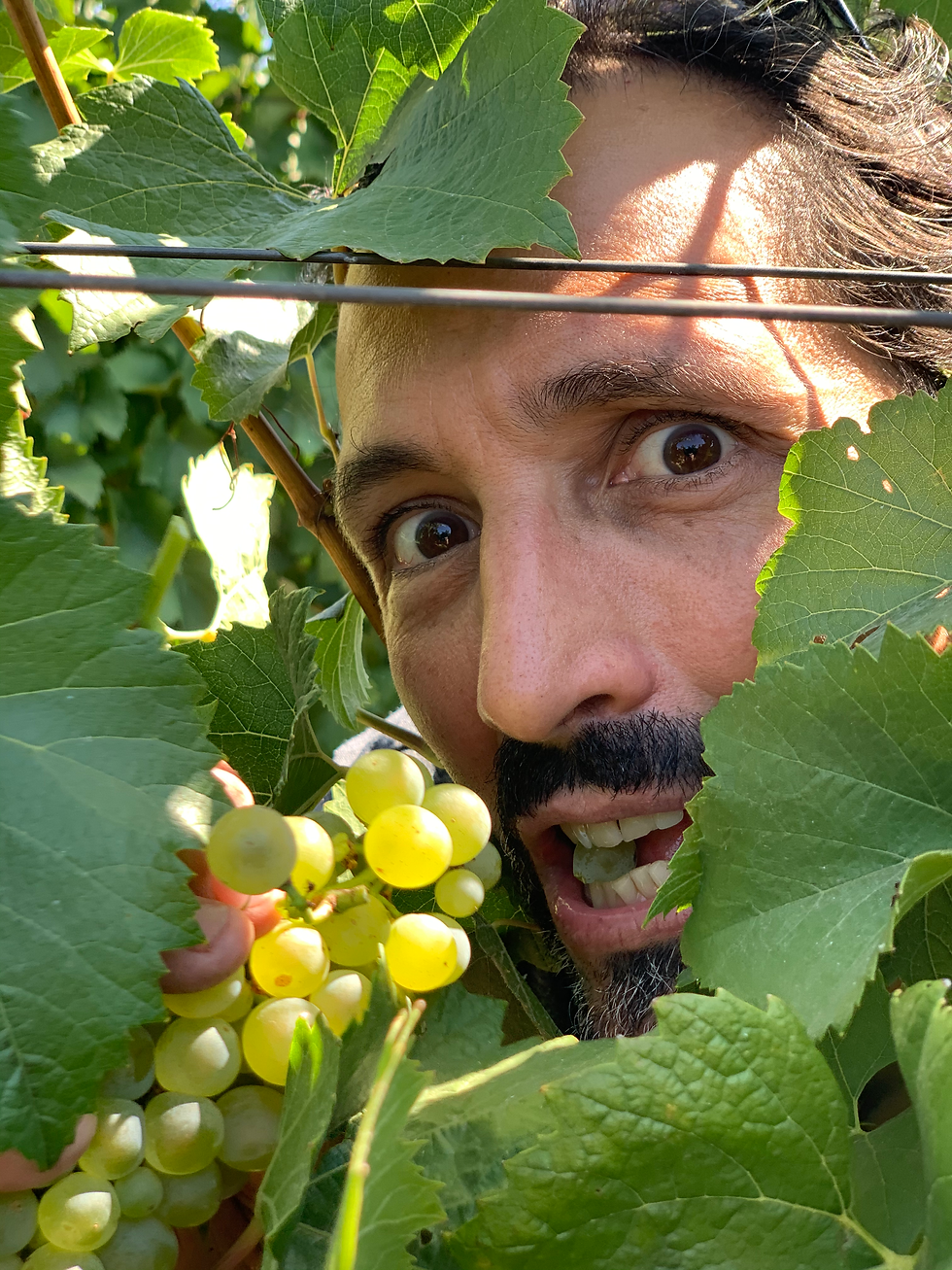
I like to tell my harvest interns that while my title is ‘Winemaker’ I actually have never “made” wine in my career.
No Winemaker has.
Yeast are the only things in the world that make wine, and to ignore the best tool we have to intentionally craft delicious wines with is folly.
Consider all the intention and ‘intervention’ that goes into the arc of establishing a vineyard. We locate a site with favorable slope and aspect, we test and prepare the soil to be suitable for viticulture, we research the proper rootstock for our exact site and climate, we painstakingly obsess over all the potential European varietals that could be best suited for our unique growing conditions in the Cowichan valley. We nurture the vines with compost, cover crops, organic sea kelp foliar sprays, and weed each vine by hand. We prune and trellis specifically to enhance the varietal expression of each cultivar.
After all that, do I just leave the fermentation to chance and let whatever yeast is present take over? I’m going to select a specific yeast strain with proven superior aroma producing qualities and fermentation kinetics. Ones that were isolated from the very same regions in Europe where these vines themselves come from, evolving symbiotically for centuries.
Yeast have been doing this work for millions of years. The least we can do is pay attention.
If you found this useful — or if it made you think twice about that "100% wild ferment" on a label — you'll love what's coming next. We're pulling back the curtain on more winemaking myths all season long.
[Sign up for the Cobble Hill newsletter →] Get cellar updates, vintage notes, and the occasional microbiology lesson delivered straight to your inbox. No spam. Just honest wine talk.

Comments